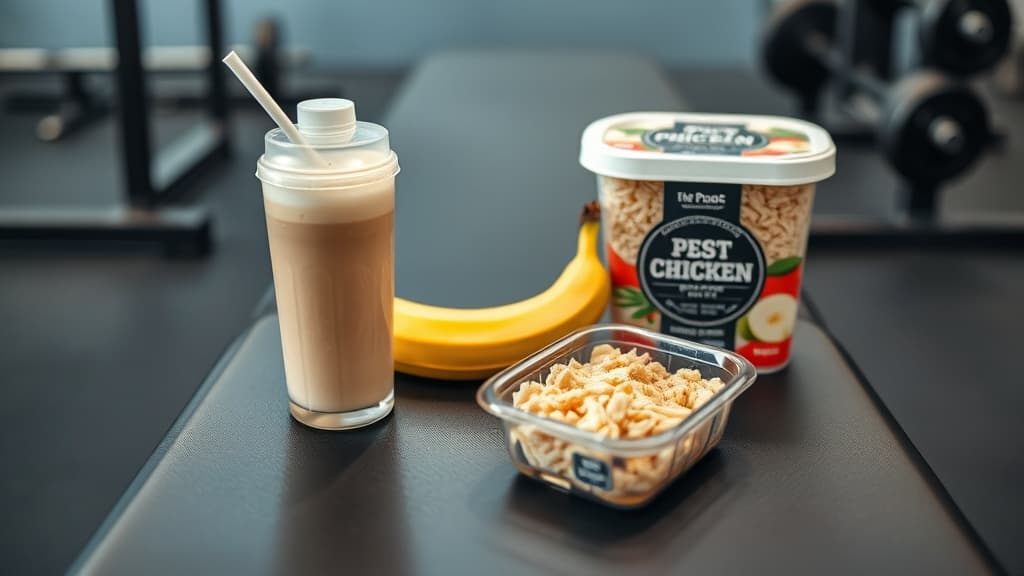
The fitness industry has made pre- and post-workout nutrition into something far more complicated than it needs to be. Anabolic windows. Intra-workout carbohydrates. Fasted vs. fed training. Most of it is noise for the population I work with.
Here's what actually matters.
Before a Workout
The goal of pre-workout nutrition is simple: don't be so hungry that your energy tanks, and don't be so full that you feel sick. That's it.
For most people, eating a balanced meal 1.5 to 3 hours before training is ideal. If you're training in the morning and can't eat that far in advance, something small and easy — a banana, half a protein bar, a slice of toast with peanut butter — is better than nothing.
Carbohydrates are your primary fuel source during exercise. A small amount of carbs before training helps maintain energy, especially for strength training lasting 45 to 60 minutes or more. Keep fat low right before training — it slows digestion and can cause sluggishness.
What I Actually Eat Before Training
If I'm training in the morning, I'll usually have a rice cake with almond butter and a cup of coffee. If it's afternoon, I've already had lunch and that meal does the work. I don't overthink it.
After a Workout
Post-workout is where the protein conversation matters most. When you train, you create small tears in muscle fibers. Protein provides the amino acids your body uses to repair and rebuild those fibers — which is how muscle is built and maintained.
Aim for 30 to 40 grams of protein within a few hours after training. This doesn't have to be a shake five minutes after you drop the last weight. The window is wider than the industry implies. But protein within two to three hours is genuinely useful.
Add carbohydrates to replenish glycogen stores — especially after longer or higher-intensity sessions. A post-workout meal of lean protein and a carbohydrate source like rice, potatoes, or fruit is ideal.
What About Fasted Training?
Some people train well in a fasted state. Some people feel terrible. Both are valid. The research shows minimal difference in body composition outcomes when total daily calories and protein are matched. If you feel good training fasted, fine. If you feel flat, eat something. Listen to your body — not the influencer telling you fasted cardio burns more fat.
The Real Priority
All of this matters less than total daily protein intake. If you're hitting 100 to 130 grams of protein spread across the day, the specific timing becomes secondary. Get the total right first. Then fine-tune the timing if you want to.
Most people don't need to fine-tune anything. They need to eat more protein and stop skipping meals. Start there.
Ready to put this into practice?
Stop reading about it. Start doing it.
Take the 2-minute quiz to find out which Gray Method program fits where you are right now, or send Adam a quick note.